

How to Take Care of Handmade Rugs: The Complete Guide
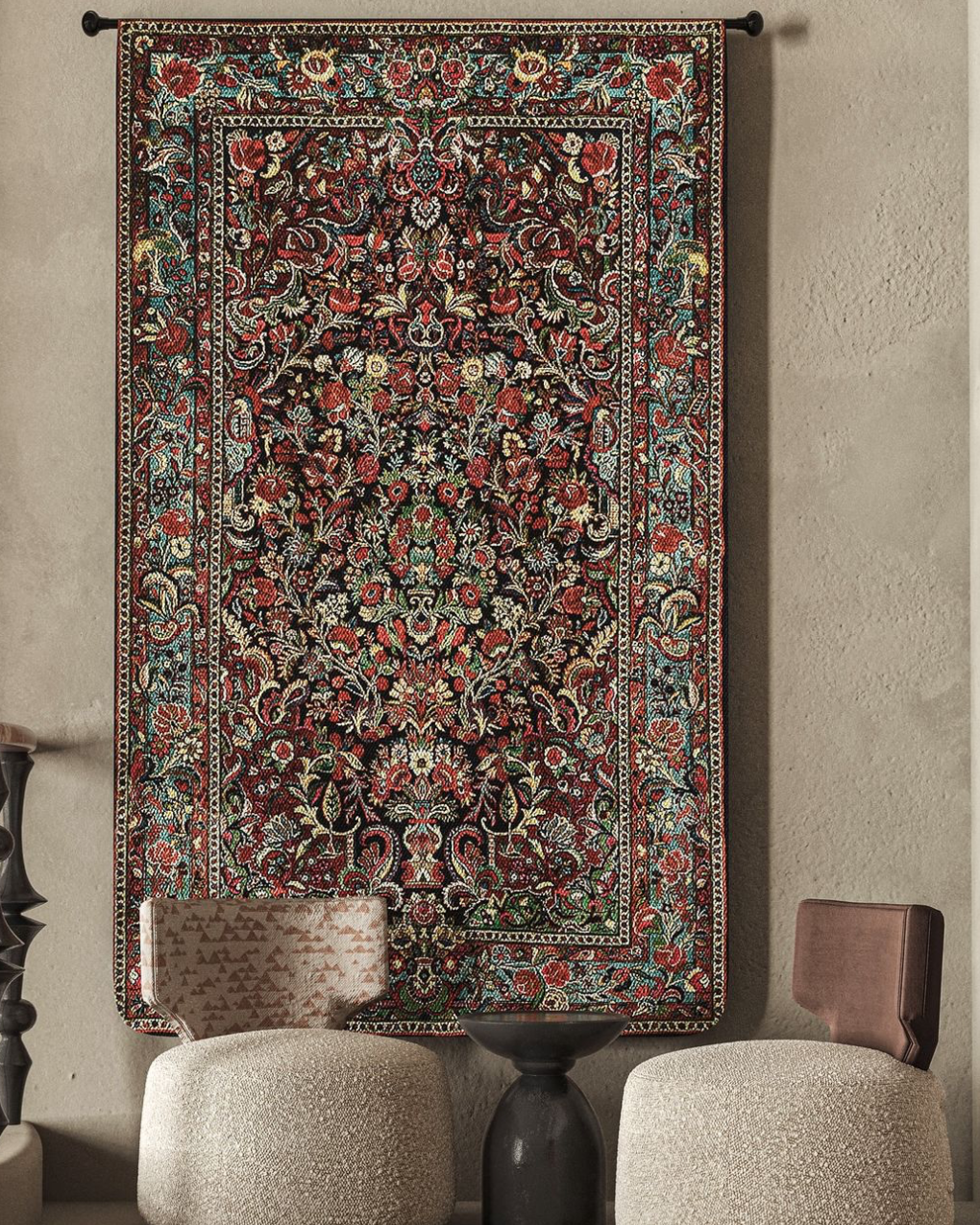
Handmade rugs are more than floor coverings—they are pieces of art, craftsmanship, and culture woven into your home. Whether you own a Persian rug, a Moroccan Berber, a Turkish kilim, or a modern hand-knotted design, proper care protects both its beauty and its value for decades.
This guide walks you through everything you need to know about daily care, deep cleaning, stain removal, and long-term preservation of your handmade rug.
1. Understand Your Rug’s Material and Construction
Before any cleaning or maintenance, it helps to know what your rug is made of. Handmade rugs typically come in:
-
Wool – Durable, naturally stain-resistant, and soft.
-
Cotton – Often used for foundation or lightweight flatweaves.
-
Silk – Luxurious, delicate, and very detailed.
-
Wool–Silk Blends – Shine and durability combined.
-
Natural Fibers – Jute, hemp, sisal (more sensitive to moisture).
Each material responds differently to cleaning products, moisture, and sunlight. If you’re ever unsure, lean toward gentle care and professional cleaning.
2. Vacuum Regularly (But Gently)
Vacuuming keeps dust, dirt, and grit from settling into the fibers. Over time, trapped grit can cut the wool like tiny blades.
How to vacuum a handmade rug properly:
-
Use low suction or a handheld attachment.
-
Avoid rotating brushes or beater bars—they can pull fibers.
-
Vacuum with the grain of the pile.
-
For flatweaves or kilims, vacuum both sides monthly.
-
Fringe should never be vacuumed directly—use your hand or a soft brush.
A light vacuum once a week is more than enough for most handmade rugs.
3. Rotate Your Rug Every 6–12 Months
Foot traffic, sunlight, and furniture weight can wear a rug unevenly. Rotating the rug helps maintain even color and pile across the whole piece.
This is especially important for:
-
Entryway and hallway rugs
-
Living rooms with one main sofa/traffic flow
-
Rugs exposed to direct sunlight
A simple rotation dramatically extends your rug’s lifespan.
4. Protect from Sunlight
Direct, harsh sunlight can cause fading—especially with natural dyes found in Persian, Turkish, and Afghan rugs.
To reduce fading:
-
Close blinds or curtains during peak sun hours
-
Use UV-blocking window film
-
Rotate the rug regularly
-
Consider moving it away from strong sunlight if the colors are very vibrant
Natural fibers age beautifully, but preventing uneven fading is key.
5. Spot Clean Spills Immediately
A fast reaction can keep a spill from becoming a stain.
How to treat a fresh spill on a handmade rug:
-
Blot—don’t rub—with a clean white cloth.
-
Work from the outside toward the center of the spill.
-
Use cold water only (never hot—it sets stains).
-
If needed, add a drop of mild dish soap to the water.
-
Blot again with clean water to rinse.
-
Lift the rug with airflow underneath so it dries fully.
Avoid harsh chemicals, stain removers, bleach, and high-alkaline cleaners. These can damage fibers and strip dyes.
6. Deep Cleaning: When to DIY and When to Hire Professionals
Most handmade rugs need professional cleaning every 2–3 years depending on traffic. Professional rug washers:
-
Hand-wash (never steam-clean)
-
Use pH-balanced soaps
-
Rejuvenate wool and restore luster
-
Clean fringe properly
-
Dry the rug safely
Avoid steam-cleaning companies or general carpet cleaners. Handmade rugs require specialized care.
DIY deep cleaning (light maintenance only)
You can freshen a rug at home by:
-
Double-sided vacuuming
-
Lightly brushing the pile
-
Using a mixture of cold water + wool-safe soap for tiny areas
-
Airing the rug outdoors (not in direct sunlight)
If the rug smells, has heavy soil, or suffers from pet accidents, leave it to professionals.
7. Use Rug Pads for Protection and Comfort
A good rug pad:
-
Prevents slipping
-
Reduces pressure on the fibers
-
Protects the rug from hard flooring
-
Adds cushioning
-
Improves airflow under the rug
Natural rubber + felt pads are the best choice for handmade rugs.
Avoid cheap waffle pads—they deteriorate quickly and can damage floors.
8. Watch for Signs of Wear or Damage
Handmade rugs are incredibly strong, but early detection helps.
Look for:
-
Thinning or worn pile
-
Fraying edges
-
Loose threads
-
Moths or larvae
-
Color bleeding (often after incorrect cleaning)
Small repairs are inexpensive if caught early.
9. Store Handmade Rugs the Right Way
If you ever need to store your rug:
-
Clean and dry it first
-
Roll (don’t fold) it tightly
-
Wrap it in breathable cotton fabric—not plastic
-
Store in a cool, dry place
-
Add an organic moth repellent (cedar, lavender)
Never store rugs in basements or garages where moisture can lead to mildew.
10. Handmade Rugs Deserve Lifelong Care
When properly maintained, handmade rugs last generations. They can become heirlooms, increasing in beauty and value over time. Simple habits—vacuuming gently, rotating regularly, treating spills quickly—go a long way.
At Queen City Rugs, we believe every handmade rug deserves expert care. Whether you need cleaning, repair, or help choosing the perfect rug for your home, our team is here to help.


