

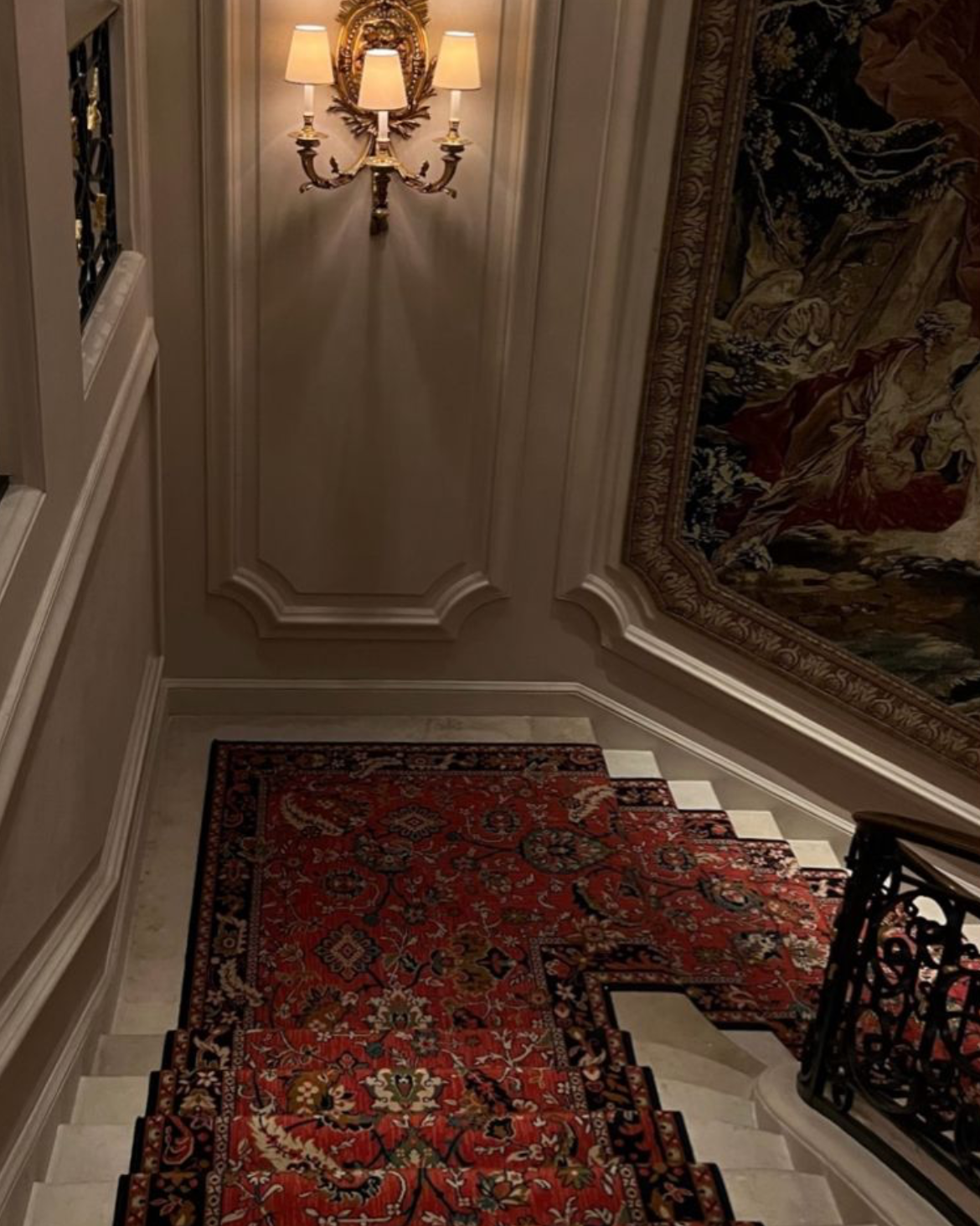
How to Choose the Perfect Handmade Rug for Your Home
A handmade rug has the power to transform a room. It can elevate a simple space, bring warmth and texture, and create a sense of harmony that mass-produced rugs can’t replicate. But with thousands of patterns, origins, materials, and sizes to choose from, finding the right one can feel overwhelming.
This guide breaks down the art and strategy behind selecting a handmade rug that fits your home beautifully—both aesthetically and practically.
1. Start With the Room’s Purpose
Every room has a job. A handmade rug should support that job—not fight it.
Living Room
You want comfort, durability, and a piece that grounds the space. Medium to large hand-knotted wool rugs work beautifully here.
Bedroom
Softness matters. Many people choose warm, calming patterns: Persian, Turkish, or Moroccan styles.
Dining Room
Go for durability and easy movement of chairs. Flatweaves, kilims, or tightly knotted rugs are excellent choices.
Hallways or Entryways
These spaces need hard-wearing rugs built to handle foot traffic. Afghan runners, Turkish vintage runners, or tribal flatweaves are ideal.
Knowing the function helps narrow down options instantly.
2. Choose the Right Size (The Most Common Mistake)
A rug that’s too small can make an entire room feel disconnected. A rug that’s sized properly pulls everything together.
Living Room Guidelines
-
Front legs of all major furniture should sit on the rug.
-
For large spaces, let the rug extend 8–12 inches beyond the sofa sides.
Bedroom Guidelines
-
Queen bed: 8x10 rug
-
King bed: 9x12 rug
-
Or place two runners on each side for a modern look.
Dining Room Guidelines
-
Rug should extend at least 24 inches beyond the table so chairs can move freely.
When in doubt, size up—the room will instantly feel more luxurious.
3. Know the Difference: Handmade vs. Machine-Made
Handmade rugs have unique characteristics:
-
Slight irregularities in weave
-
Natural sheen and depth
-
Higher durability
-
Longer lifespan
-
Historical and cultural value
Machine-made rugs tend to look flat in comparison.
For anyone building a long-term home, a handmade rug is both an investment and an aesthetic upgrade.
4. Pick the Right Material for Your Lifestyle
Different fibers create different experiences.
Wool
Soft, durable, naturally stain-resistant.
Best for: living rooms, bedrooms, high-traffic areas.
Silk
Elegant, detailed, luxurious.
Best for: low-traffic rooms or as wall art.
Cotton
Lightweight, breathable, flexible.
Best for: casual or minimalist spaces, flatweaves.
Wool–Silk Blends
Shiny, modern, durable.
Best for: contemporary interiors.
Choosing the right material ensures your rug ages beautifully.
5. Think About Color and Pattern
A handmade rug can either anchor a room or bring it to life. Color and pattern play a huge role.
If Your Furniture Is Neutral
Go bold with deep reds, blues, or geometric tribal patterns.
These rugs become the focal point.
If Your Room Already Has Strong Colors
Choose a rug with muted tones or simple motifs to balance the space.
Traditional vs. Modern
-
Persian rugs: floral, ornate, timeless
-
Turkish rugs: geometric, vintage, soft pastels
-
Moroccan rugs: plush, minimalist, bohemian
-
Kilim rugs: flatwoven, colorful, lightweight
The rug should feel like part of the story your room is telling.
6. Understand Rug Construction
The craftsmanship affects durability and value.
Hand-Knotted
The gold standard. Every knot is tied by hand. Lasts generations.
Hand-Tufted
Made using a tufting gun. More affordable but shorter lifespan.
Flatweave
No pile. Reversible, lightweight, easy to clean.
Hand-Loomed
A balance between handmade and modern production.
Knowing construction helps you choose based on expectations and budget.
7. Don’t Ignore the Back of the Rug
The back reveals the truth:
-
Clear, visible knotting = hand-knotted
-
Patterns should appear almost as detailed as the front
-
No rubber or mesh backing
-
Uneven edges indicate authentic craftsmanship
A quick look at the underside tells you more than any tag.
8. Consider Long-Term Care
A rug is an investment. Choosing one you can maintain matters.
Wool rugs? Easy.
Silk rugs? Require delicate care.
Flatweaves? Perfect for busy households.
If you’re not sure, ask your rug retailer for care instructions specific to the rug you’re buying.
9. Trust How the Rug Makes You Feel
Handmade rugs carry cultural stories—each knot represents hours of human work. When you find the right one, you’ll feel it.
A great rug doesn’t just match your décor.
It resonates.
10. When in Doubt, Ask an Expert
A specialist can help you navigate patterns, origins, weaving techniques, and color palettes that perfectly match your space.
At Queen City Rugs, we guide customers through every step—from sizing and style to care and long-term value—so choosing the right rug becomes effortless and enjoyable.


